
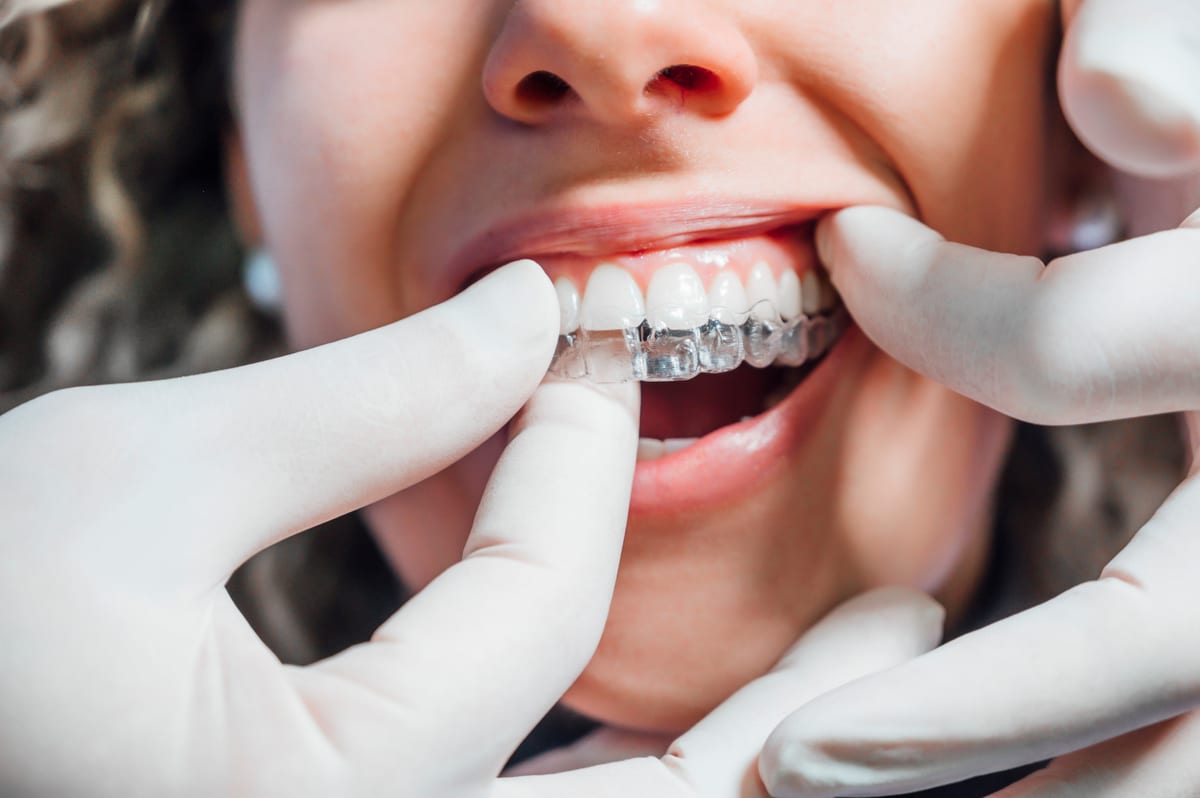
Invisalign has changed how many people think about orthodontic treatment. The idea of straightening teeth without metal brackets is genuinely appealing. But the truth is, Invisalign works for some smiles—but not all in Pearl. Understanding what qualifies as a good case for clear aligners can save you time, money, and frustration. Dr. G. Dodd Brister helps patients in Pearl, MS navigate this decision every day.
What Invisalign Can Fix: The Good Candidates
Invisalign performs well for a wide range of mild to moderate orthodontic issues. Many patients across Pearl, MS are excellent candidates without even realizing it. If your concerns fall into the following categories, clear aligners may be a strong option for you.
Invisalign handles these conditions well:
- Mild to moderate crowding — teeth that overlap slightly but not severely
- Spacing issues — small gaps between teeth that need closing
- Mild overbite — when the upper front teeth extend slightly over the lower
- Mild underbite — when lower teeth sit slightly in front of upper teeth
- Crossbite — when some upper teeth sit inside the lower teeth
- Open bite — mild cases where upper and lower teeth don’t meet
These cases respond well to the controlled, gradual movement that Clear Aligners Pearl provide. The aligners apply gentle, consistent pressure to shift teeth into position. For the right patient, results can be just as effective as traditional braces.
When Invisalign May Not Be the Best Fit in Pearl
Not every smile is a good match for clear aligners. Some cases require more precise force than Invisalign can deliver. Knowing the limits of this technology helps you set realistic expectations before starting treatment.
Invisalign may not be the ideal solution for:
- Severe crowding — teeth that are significantly overlapped or rotated
- Large overbites or underbites — cases that require jaw-level correction
- Significant tooth rotation — especially round teeth like premolars
- Vertical tooth movement — some teeth need to be raised or lowered precisely
- Complex bite issues — cases involving skeletal misalignment
- Non-compliance risk — patients who may not wear aligners the required 20–22 hours per day
Traditional braces apply continuous pressure directly to each tooth. They give Dr. Brister a higher level of control over complex movements. In many of these situations, braces simply produce better and faster results.
Braces vs. Invisalign: Choosing the Right Tool for Your Smile
Both braces and Invisalign are highly effective — for the right cases. The key is matching the treatment to the problem. Dr. G. Dodd Brister evaluates each patient individually before recommending a path forward.
Traditional braces are often the better choice when precision matters most. They bond directly to your teeth, so there is no risk of forgetting to wear them. For patients with severe alignment issues, braces offer more predictable outcomes.
Invisalign offers real advantages for the right candidate. The aligners are removable, which makes eating and oral hygiene easier. They are also nearly invisible, which many adults and teens in Pearl prefer. If you are a good candidate, the experience can feel much more comfortable day to day.
Some patients also experience jaw tension or discomfort during orthodontic treatment. In those cases, Dr. Brister may also evaluate whether underlying factors are contributing to discomfort. Patients with jaw concerns can learn more through a Tmj Treatment Pearl consultation as part of their overall care plan.
Invisalign for Teens vs. Adults: Does Age Affect Candidacy?
Age plays a role in determining whether Invisalign is appropriate. Teen smiles are still developing, which can affect how aligners perform. Dr. Brister offers Invisalign for Teens as a specifically designed program with that in mind.
Invisalign for Teens includes compliance indicators — small blue dots on the aligners. These dots fade with wear, helping parents and the doctor track usage. Teen candidates still need to commit to wearing their aligners consistently for treatment to succeed.
Adults are often ideal Invisalign candidates for different reasons. Most adults have fully developed jaws and stable bone structure. They also tend to be more disciplined about wearing their aligners as instructed. For mild to moderate adult alignment issues, Invisalign frequently produces excellent outcomes.
However, adults with more complex histories — such as previous dental work, crowns, or bridgework — may face additional limitations. Dr. Brister reviews all of these factors during a thorough exam. Every smile in Pearl gets an individualized assessment, not a one-size-fits-all recommendation.
What to Expect During Your Invisalign Consultation at Brister Orthodontics
If you are curious whether Invisalign is right for you, a consultation is the best first step. Dr. Brister and the team in Pearl walk through your smile in detail before making any recommendation. Here is what that process typically looks like:
- Comprehensive exam — Dr. Brister reviews your teeth, bite, and jaw alignment
- Digital scans or X-rays — imaging helps identify issues not visible to the naked eye
- Case assessment — your specific alignment issues are categorized by severity
- Treatment comparison — Dr. Brister explains whether Invisalign, braces, or another approach fits your case
- Questions answered — you leave with a clear understanding of your options and next steps
There is no pressure to commit during your first visit. The goal is education and honest guidance. Dr. Brister believes every patient deserves to understand their treatment before agreeing to it.
Making the Right Choice for Your Smile in Pearl, MS
Invisalign is a remarkable tool when it is used for the right cases. It is not a universal solution, and not every smile in Pearl will respond the same way. The most important step is getting an accurate, honest evaluation from an experienced orthodontist.
Dr. G. Dodd Brister brings years of expertise to every case at Brister Orthodontics. Whether your smile needs Invisalign, traditional braces, or a combination approach, the team is here to guide you. Your treatment plan should fit your actual needs — not just the latest trend.
If you are ready to find out whether Invisalign is the right fit for your smile, the team at Brister Orthodontics is here to help. Book Now to schedule your appointment with our team.
Frequently Asked Questions
Can Invisalign fix a severe overbite?
Invisalign can address mild to moderate overbites effectively. Severe overbites often involve jaw positioning that requires more force and control than clear aligners can provide. In those cases, traditional braces or a combination approach may be recommended by Dr. Brister.
How do I know if I am a good candidate for Invisalign in Pearl?
The best way to know is through a professional evaluation. Dr. G. Dodd Brister examines your teeth, bite, and jaw before making any recommendation. Factors like the severity of crowding, bite issues, and your ability to wear aligners consistently all affect candidacy.
Is Invisalign effective for teens in Pearl, MS?
Yes, Invisalign for Teens is a modified program designed with younger patients in mind. It includes compliance indicators and additional aligners to account for growth. However, teens must commit to wearing their aligners 20–22 hours per day for results to be successful.
What happens if my case is too complex for Invisalign?
If your alignment issues fall outside what Invisalign can reliably correct, Dr. Brister will recommend traditional braces or another appropriate treatment. The goal is always to choose the approach that gives you the best possible outcome — not just the most convenient one.
How long does Invisalign treatment typically take?
Treatment length depends on the complexity of your case. Mild cases may take as little as six to twelve months. More involved cases can take up to eighteen months or longer. Dr. Brister will give you a personalized timeline estimate after your initial evaluation.