
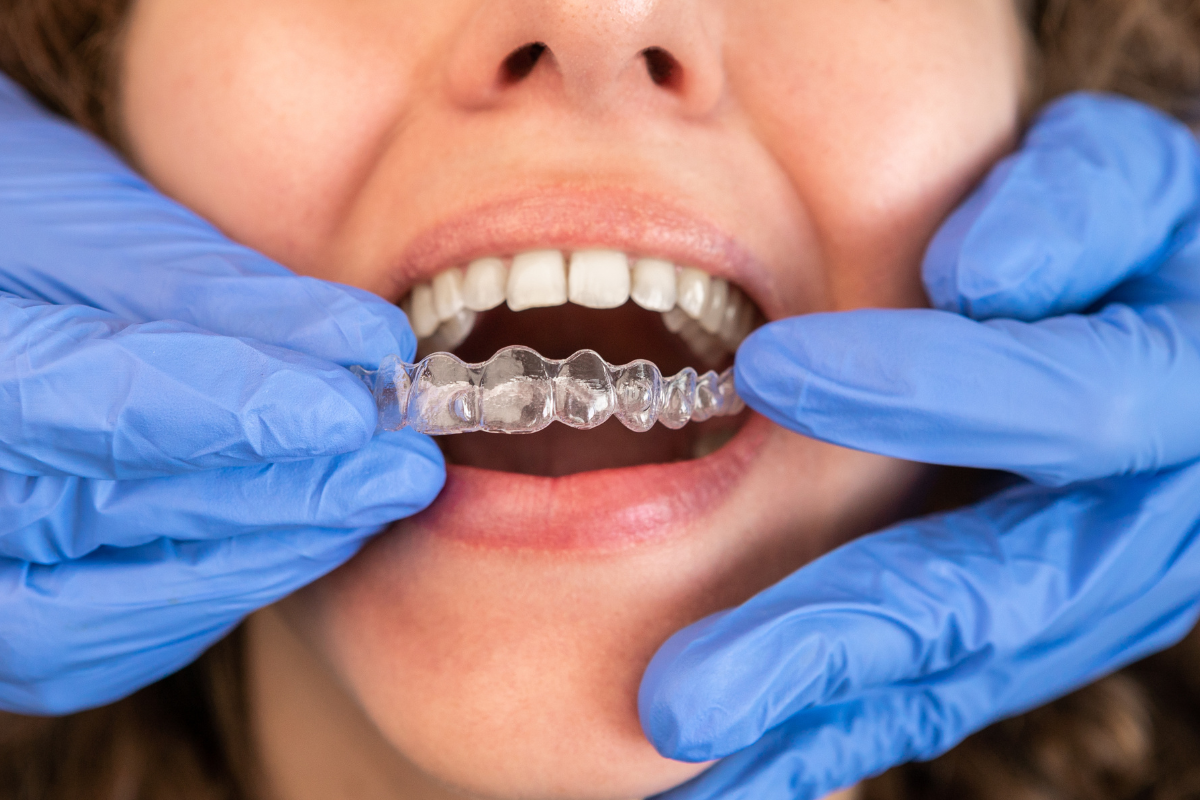
You’ve been so careful. Wearing your trays the full 20-plus hours a day. Switching to a new set right on schedule. So why do your teeth still feel like they’re moving slower than expected?
The answer often has nothing to do with wear time — and everything to do with how you’re cleaning your clear aligners.
For patients using clear aligners in Pearl, small daily habits around cleaning can make a bigger difference than most people realize. Here’s what’s actually happening, and how to fix it before it affects your results.
The Problem: Most People Clean Their Aligners the Wrong Way
It seems simple enough — rinse the trays, maybe brush them, put them back in. But a few common habits can quietly cause bigger issues over time.
Frequent mistakes include:
- Using hot water, which can warp the plastic
- Brushing trays with regular toothpaste, which is often too abrasive
- Rinsing only with water and skipping deeper cleaning
- Wearing trays for days without a proper cleaning routine
- Storing trays in a napkin or pocket instead of a case
None of these feel like a big deal in the moment. Over weeks and months, though, they can add up.
Why Proper Cleaning Actually Matters
Clear aligners sit against your teeth for nearly the entire day. Whatever builds up on them — bacteria, plaque, leftover food particles — stays in direct contact with your teeth and gums for hours at a time.
Proper cleaning matters because it helps:
- Prevent bad breath and bacteria buildup.
- Keep trays clear instead of cloudy or discolored.
- Protect your teeth and gums from plaque-related issues.
- Support smoother, more predictable treatment progress.
A clean tray isn’t just about appearance. It plays a direct role in your oral health during treatment.
The Risks of Skipping a Real Cleaning Routine
Neglecting aligner care doesn’t just lead to cloudy trays — it can create real setbacks.
Potential risks include:
- Cavities or gum irritation from trapped bacteria
- Persistent bad breath, even with regular brushing
- Warped or damaged trays from improper cleaning methods
- Slower treatment progress if trays don’t fit as precisely due to damage
- Extra costs if damaged aligners need to be replaced
What feels like a minor shortcut today can turn into a bigger, more frustrating problem later in treatment.
The Professional Solution: A Simple, Effective Cleaning Routine
The fix isn’t complicated. It just needs to be consistent.
A proper aligner care routine typically includes:
- Rinsing trays with lukewarm (never hot) water every time they’re removed
- Brushing gently with a soft toothbrush, without regular toothpaste
- Using a clear, unscented antibacterial soap or approved cleaning crystals
- Soaking trays as recommended to remove buildup and bacteria
- Storing trays in their case any time they’re not being worn
Following a professional’s specific care instructions — rather than general internet advice — helps make sure your routine actually matches your treatment plan.
Local Guidance Pearl Patients Can Count On
Patients throughout Pearl and nearby areas trust a local orthodontist in Pearl to guide them through every stage of aligner treatment — not just the fitting appointment.
Working with a nearby provider means:
- Quick answers when something about your trays looks or feels off
- Personalized care instructions based on your specific treatment plan
- Regular check-ins to make sure your progress stays on track
Having local support nearby makes it easier to catch small issues early, before they turn into bigger setbacks.
Keep Your Treatment on Track — Starting Today
Small habits make a big difference when it comes to clear aligner treatment.
If you’re not sure whether your current cleaning routine is helping or hurting your progress, don’t wait until something feels wrong.
Schedule a check-in today and get personalized guidance to help your treatment stay on schedule — and your smile stay on track.
Frequently Asked Questions
1. Can I clean my aligners with regular toothpaste?
It’s best to avoid regular toothpaste, since many formulas are too abrasive and can create tiny scratches where bacteria can build up.
2. How often should I clean my clear aligners?
Aligners should be rinsed every time they’re removed and cleaned thoroughly at least once a day, ideally during your regular oral hygiene routine.
3. Why do my aligners look cloudy?
Cloudiness is often caused by plaque buildup, using hot water, or skipping regular deep cleaning.
4. Is it safe to use mouthwash to clean aligners?
Most mouthwashes contain color additives or ingredients that can stain or damage trays, so it’s better to stick to recommended cleaning methods.
5. Can I soak my aligners in hot water to clean them?
No. Hot water can warp the plastic, affecting how well the trays fit and potentially slowing your treatment progress.
6. How do I get rid of bad smell from my aligners?
Regular cleaning with a soft brush and approved cleaning solutions, along with proper storage, helps prevent odor from building up.
7. What should I do if my aligners crack or warp?
Contact your orthodontic office as soon as possible. Continuing to wear damaged trays can affect your treatment timeline.
8. Can poor aligner hygiene affect my treatment results?
Yes. Bacteria buildup and damaged trays can both interfere with proper fit and tooth movement, potentially slowing overall progress.
Final Thoughts
Straightening your smile takes patience, consistency, and the right daily habits — and cleaning your aligners properly is one of the simplest ways to protect your progress.
If you’re in Pearl and want personalized guidance on caring for your clear aligners the right way, the team at Brister Orthodontics is ready to help you stay on track from start to finish.
Medical Disclaimer: This blog is for general informational purposes only and is not a substitute for professional dental or orthodontic advice. Please consult a licensed orthodontist or dentist for guidance specific to your treatment plan.