
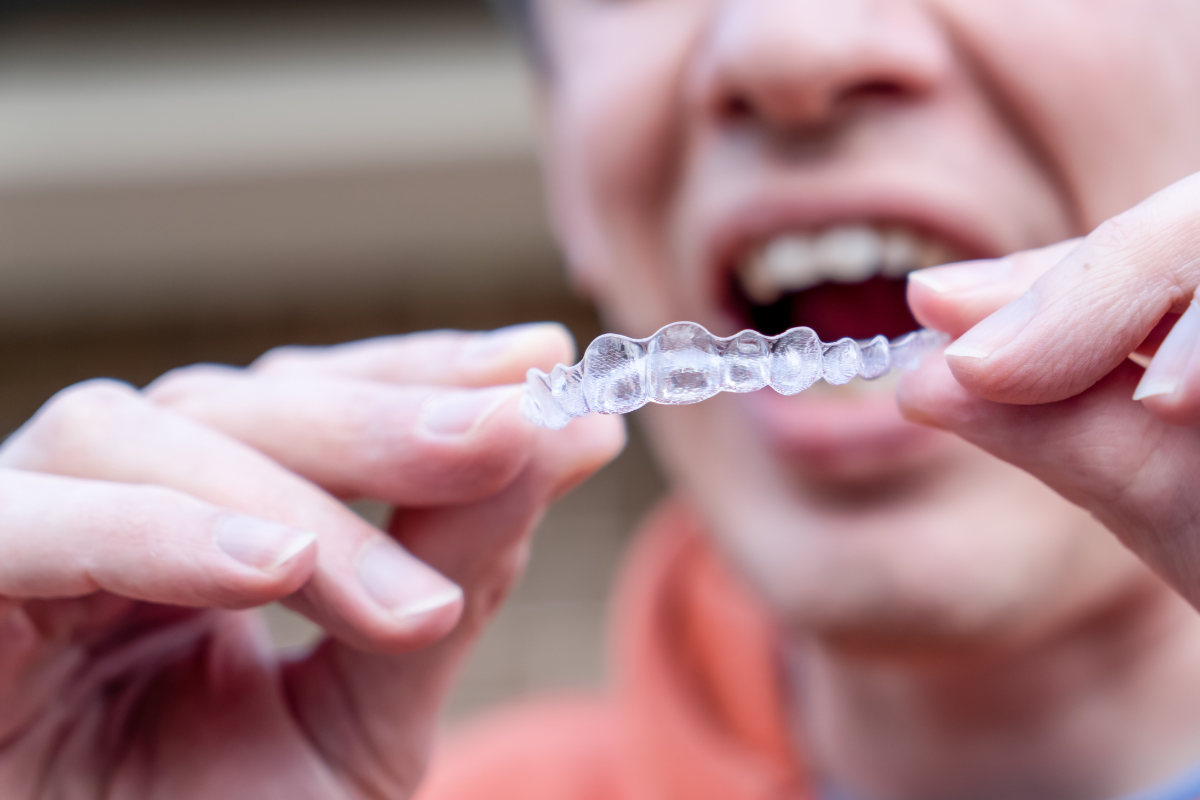
A straighter smile can improve confidence, but healthy gums need to come first.
If you are considering Invisalign in Pearl, you may be wondering whether gum disease could prevent you from starting treatment—or whether clear aligners could make an existing gum problem worse. The answer depends on the condition of your gums, the severity of the disease, and how well the problem is controlled before and during orthodontic treatment.
The good news is that having a history of gum disease does not automatically mean you cannot straighten your teeth with Invisalign. However, active gum inflammation should be addressed before moving teeth.
Understanding the relationship between orthodontic treatment and periodontal health can help you make a safer, more informed decision.
Why Gum Health Matters Before Invisalign
Your teeth do not move through solid bone alone. Orthodontic treatment creates controlled forces that encourage the bone surrounding your teeth to remodel.
Healthy gums and supporting bone provide the foundation for that process.
Gum disease changes this environment.
Early gum disease, known as gingivitis, causes inflammation of the gums. Without treatment, it can progress to periodontitis, a more serious condition that can damage the tissues and bone supporting the teeth.
That is why an orthodontic evaluation should consider more than tooth alignment.
Before beginning Invisalign, an orthodontic provider may need to evaluate:
* Gum inflammation and bleeding
* Gum recession
* Plaque and tartar buildup
* Pocket depth around the teeth
* Tooth mobility
* Existing bone loss
* Overall oral hygiene
* Previous periodontal treatment
If active periodontal disease is present, treating and stabilizing the condition may need to happen before orthodontic treatment begins.
Can You Get Invisalign If You Have Gum Disease?
Sometimes, yes—but timing matters.
Patients with mild or previously treated gum disease may be candidates for clear aligner treatment once their periodontal health is stable.
The situation is different when gum disease is active.
Moving teeth through an inflamed or compromised supporting environment can increase the risk of unwanted tooth movement, further gum problems, or damage to already weakened supporting structures.
This does not mean Invisalign is unsafe for every patient with a history of gum disease.
It means treatment should be planned around the health of the gums and supporting bone.
A personalized evaluation is the best way to determine whether treatment should begin now or after periodontal care.
What Happens If You Start Invisalign With Unhealthy Gums?
Clear aligners are removable, which can make maintaining oral hygiene easier than with fixed braces. But they also cover the teeth for much of the day.
That makes good hygiene especially important.
If plaque and bacteria remain on the teeth before an aligner is inserted, the aligner can keep that environment in close contact with the teeth and gums.
Potential concerns include:
Increased Gum Inflammation
Plaque accumulation can irritate the gum tissue, causing redness, tenderness, or bleeding.
Progression of Gum Disease
Untreated periodontal disease can continue damaging the structures that support your teeth.
Gum Recession
Inflammation and excessive forces can contribute to gum recession in susceptible patients.
Reduced Orthodontic Stability
Teeth require healthy supporting tissues to move predictably and remain stable after treatment.
Treatment Delays
If significant gum inflammation develops during orthodontic treatment, your orthodontic provider may need to pause or modify treatment while the problem is addressed.
These risks are not reasons to avoid Invisalign altogether. They are reasons to take periodontal health seriously.
How Invisalign and Gum Health Can Work Together
Once your gums are healthy and stable, clear aligners may offer several practical benefits.
Removable Aligners Make Cleaning Easier
Unlike traditional braces, Invisalign aligners can be removed before brushing and flossing.
That gives you direct access to the teeth and gumline.
You can brush normally, floss between your teeth, and clean your aligners according to your provider’s instructions.
Better Oral Hygiene Can Support Treatment
Orthodontic treatment requires consistency.
Keeping your teeth clean and following your hygiene routine can help reduce plaque buildup while your teeth are moving.
Regular Monitoring Helps Catch Problems Early
Orthodontic appointments provide opportunities to monitor tooth movement and treatment progress.
If your gums become irritated or your oral hygiene declines, bringing the problem to your provider’s attention early can help prevent a minor concern from becoming a larger one.
What Should You Do Before Starting Invisalign?
If you have bleeding gums, persistent bad breath, gum tenderness, recession, or a history of periodontal disease, don’t assume the symptoms will disappear during orthodontic treatment.
Start with an evaluation.
Your dental or orthodontic team may recommend periodontal treatment before aligner therapy. Depending on your needs, that could involve professional dental cleaning, improved home care, treatment for gum infection, or referral for periodontal care.
Once your gum health is stable, your orthodontic provider can determine whether Invisalign is appropriate and develop a treatment plan based on your teeth, bite, bone support, and overall oral health.
How to Protect Your Gums During Invisalign Treatment
Good habits are essential throughout treatment—not just before the first aligner.
Brush Twice a Day
Use a soft-bristled toothbrush and fluoride toothpaste. Pay close attention to the gumline where plaque commonly accumulates.
Clean Between Your Teeth
Floss or use another interdental cleaning method recommended by your dental professional.
Cleaning between the teeth is particularly important because brushing alone cannot effectively clean every surface.
Remove Aligners Before Eating
Unless your provider gives you different instructions, remove your aligners before meals and snacks.
Food particles trapped beneath an aligner can contribute to plaque buildup.
Clean Your Aligners
Follow the manufacturer’s and your orthodontic provider’s cleaning instructions.
Avoid exposing aligners to very hot water, which can distort the plastic.
Wear Only Clean Aligners
Brush your teeth before putting your aligners back in whenever possible.
This simple habit can reduce the amount of food debris and plaque trapped against your teeth.
Keep Your Dental Checkups
Orthodontic appointments do not replace routine dental care.
Continue seeing your general dentist for professional cleanings and ongoing monitoring of your teeth and gums.
What If Your Gums Bleed During Invisalign?
Occasional bleeding should not simply be dismissed as a normal part of wearing aligners.
Bleeding during brushing or flossing can be a sign of gum inflammation, especially when it happens repeatedly.
Contact your dental or orthodontic provider if you notice:
- Persistent gum bleeding
- Swollen or painful gums
- New gum recession
- Persistent bad breath
- Pus around the gums
- Loose teeth
- Increasing tooth sensitivity
- Changes in your bite
These symptoms can have several causes, so professional evaluation is more useful than trying to diagnose the problem yourself.
Choosing an Orthodontic Approach With Your Long-Term Health in Mind
The goal of orthodontic treatment isn’t simply to make teeth look straighter.
A properly planned treatment should consider your bite, tooth position, gum health, supporting bone, facial balance, and long-term stability.
At Brister Orthodontics, orthodontic care is planned around each patient’s individual needs. If you are considering Invisalign, discussing your periodontal history and current gum health during your consultation can help your provider determine the safest path forward.
For patients in Pearl and nearby communities, that personalized approach can make the treatment process easier to understand and easier to manage.
Ready to Find Out If Invisalign Is Right for You?
You don’t have to choose between a healthier foundation and a straighter smile.
If you have gum disease, a history of periodontal problems, or simply notice bleeding or inflammation, address those concerns before starting orthodontic treatment. Once your gums are stable, an orthodontic evaluation can determine whether Invisalign is an appropriate option for your smile.
If you’re considering Invisalign in Pearl, schedule a consultation with Brister Orthodontics to discuss your smile goals, gum health, and treatment options. A timely evaluation can help you understand what needs to happen before treatment begins—and what you can do to keep your gums healthy throughout the process.
Your best orthodontic result starts with a healthy foundation. Schedule your consultation today and take the next step toward a healthier, more confident smile.
Frequently Asked Questions
Can I get Invisalign if I have gum disease?
You may be able to get Invisalign if your gum disease has been treated and is under control. Active periodontal disease generally needs to be addressed before significant tooth movement begins. An orthodontic and dental evaluation can determine the appropriate timing.
Does Invisalign make gum disease worse?
Invisalign does not automatically cause gum disease. However, poor oral hygiene while wearing aligners can allow plaque to build up and contribute to gum inflammation. Cleaning your teeth and aligners and maintaining regular dental visits are important.
Is Invisalign better for your gums than braces?
Because Invisalign aligners are removable, some patients find it easier to brush and floss thoroughly than with fixed braces. However, gum health depends heavily on daily hygiene, professional dental care, and following orthodontic instructions.
Can Invisalign fix gum recession?
Invisalign is designed primarily to move teeth and correct alignment and bite problems. It does not directly treat gum recession. Depending on its cause and severity, gum recession may require evaluation and treatment by a dental or periodontal professional.
Can I wear Invisalign if my gums bleed?
Repeated gum bleeding should be evaluated rather than ignored. It may indicate inflammation or another dental issue. Your provider can determine the cause and whether treatment should be adjusted.
How do I keep my gums healthy while wearing Invisalign?
Brush twice daily, clean between your teeth every day, remove aligners before eating, clean your aligners as directed, maintain routine dental cleanings, and follow your orthodontic provider’s instructions.
Should I treat gum disease before Invisalign?
If gum disease is active, treatment and stabilization are generally important before beginning orthodontic tooth movement. The exact sequence depends on your periodontal health and orthodontic needs.
Can I get Invisalign after periodontal treatment?
In many cases, yes. Patients with a history of periodontal disease may still be candidates for orthodontic treatment after their gum condition has been treated and stabilized. Your dental and orthodontic providers can coordinate care when appropriate.
Medical Disclaimer – This article is intended for general educational purposes and does not replace a professional dental or orthodontic examination, diagnosis, or individualized treatment plan. Gum disease can range from mild inflammation to advanced periodontal disease involving the supporting bone. If you experience persistent bleeding, swelling, pain, gum recession, loose teeth, or other concerning symptoms, consult a dental professional before beginning or continuing orthodontic treatment.