
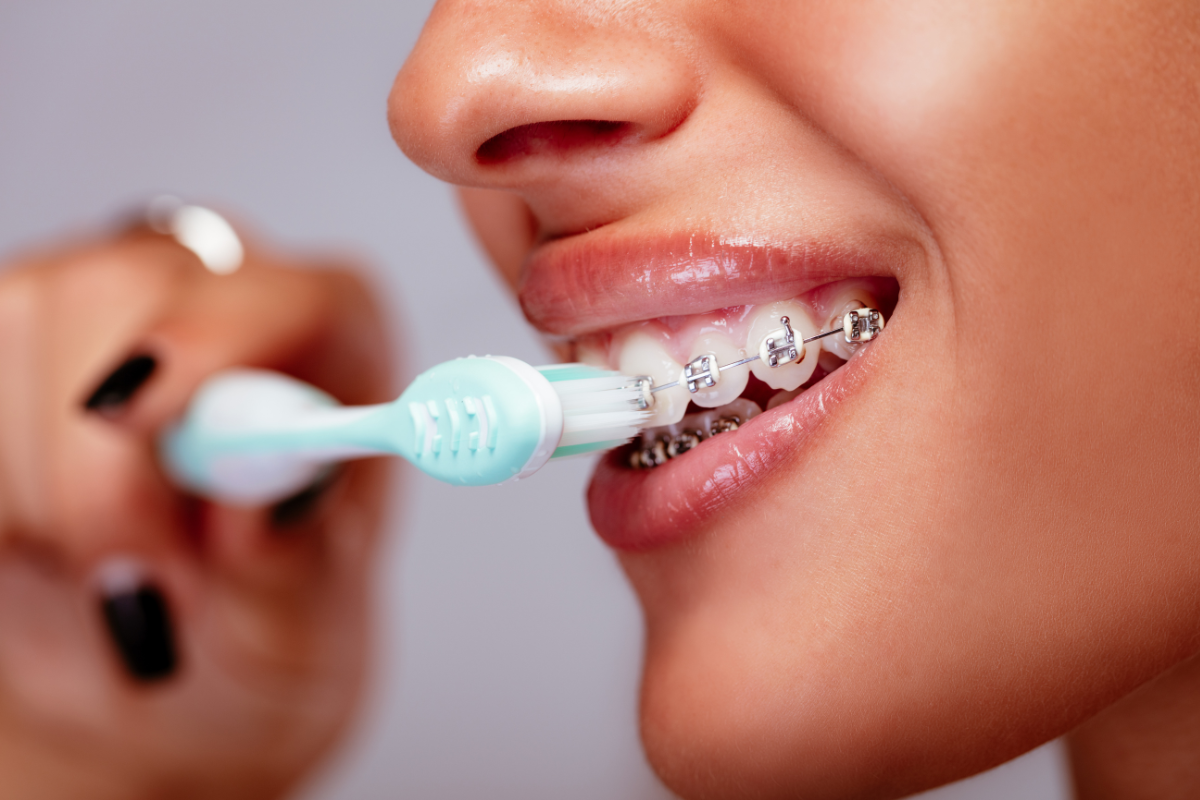
Getting braces is exciting—you are working toward a healthier, more confident smile. But there is one part of orthodontic treatment that can quickly become frustrating: keeping your teeth clean.
Brackets, wires, and other orthodontic components create extra places where food particles and plaque can collect. If you are looking for braces in Pearl, learning the right brushing technique from the beginning can help protect your teeth, gums, and treatment results.
The good news? Brushing with braces does not have to be difficult. You simply need a more thorough routine and a few techniques that work around your orthodontic appliances.
Why Brushing Matters More When You Have Braces
Plaque is a sticky film of bacteria that forms on your teeth throughout the day. When it is not removed effectively, it can contribute to tooth decay, cavities, gum inflammation, and bad breath.
Braces can make plaque removal more challenging because brackets sit directly on the tooth surface and wires can make certain areas harder to reach.
That means brushing isn’t just about keeping your smile looking clean.
It helps protect the healthy tooth structure underneath your orthodontic treatment.
Poor oral hygiene during orthodontic treatment can also leave visible white spots on teeth. These areas, known as enamel demineralization or white spot lesions, can become noticeable after braces are removed.
A few extra minutes of careful cleaning each day can make a significant difference.
How to Brush Your Teeth With Braces: Step by Step
The most effective approach is to clean around the brackets, above and below the wires, and along the gumline.
Step 1: Choose the Right Toothbrush
A soft-bristled toothbrush is a good starting point.
You can use a manual toothbrush or an electric toothbrush, depending on what feels comfortable and allows you to clean thoroughly.
If you use an electric toothbrush, choose a brush head that allows you to reach around individual brackets without putting excessive pressure on your teeth or orthodontic appliances.
Your orthodontic provider can also recommend products based on your specific treatment.
Step 2: Start at the Gumline
Place the toothbrush at approximately a 45-degree angle toward the gumline.
Use gentle, short strokes to clean where the teeth meet the gums.
This area is easy to overlook, but plaque buildup along the gumline can contribute to irritation and gingivitis.
Don’t scrub aggressively.
More pressure does not mean better cleaning. Excessive force can irritate your gums and may contribute to enamel or gum problems over time.
Step 3: Brush Above Each Bracket
Next, angle the toothbrush toward the area between the brackets and your gums.
Use small, gentle movements around each bracket.
Pay special attention to the edges of the brackets, where plaque and food particles can collect.
Think of each bracket as an area that needs individual attention rather than simply brushing across the entire row of teeth.
Step 4: Brush Below the Brackets
Now change the angle of the toothbrush so you can clean underneath the brackets and around the orthodontic wire.
This step is especially important.
Food can easily become trapped around the lower edge of brackets, and a quick back-and-forth motion across the front of your braces may not remove it effectively.
Take your time and work across the teeth one section at a time.
Step 5: Clean the Chewing Surfaces
Don’t forget the tops of your back teeth.
Brush the chewing surfaces using gentle back-and-forth movements.
These areas contain grooves where food particles can become trapped.
Step 6: Brush the Inside Surfaces
Turn your attention to the inside surfaces of your teeth.
Even though your braces are positioned on the front surfaces, the inside of your teeth still needs regular cleaning.
Brush the upper and lower inside surfaces thoroughly.
Step 7: Brush Your Tongue
Your tongue can collect bacteria and food debris.
Gently brush the surface of your tongue to help support fresh breath and overall oral hygiene.
Avoid brushing so hard that you irritate the tissue.
How Long Should You Brush With Braces?
Give yourself enough time to clean every surface.
For many people, a quick one-minute brushing session isn’t enough when braces are involved.
Rather than focusing only on the clock, focus on coverage.
Make sure you have cleaned:
- Along the gumline
- Above the brackets
- Around each bracket
- Below the brackets
- Between teeth
- Chewing surfaces
- Inside surfaces
- Your tongue
A systematic routine reduces the chance of repeatedly missing the same areas.
How Often Should You Brush With Braces?
Brush at least twice a day using fluoride toothpaste, unless your dental professional has recommended a different routine.
However, brushing after meals can be particularly helpful during orthodontic treatment because food can become trapped around brackets and wires.
If you cannot brush immediately after eating, rinse your mouth thoroughly with water and brush when you are able.
Keep a travel toothbrush and toothpaste with you if you spend long periods at school, work, or away from home.
That small habit can make maintaining your routine much easier.
Don’t Forget to Clean Between Your Teeth
Brushing alone cannot effectively clean every surface between your teeth.
When you have braces, interdental cleaning becomes even more important.
Depending on your orthodontic appliances and dental needs, your provider may recommend:
- Traditional dental floss with a floss threader
- Orthodontic floss
- Interdental brushes
- Water flossers
- Other specialized cleaning tools
An interdental brush can be particularly useful for cleaning around brackets and underneath orthodontic wires.
Ask your orthodontic team to demonstrate the technique if you’re unsure how to use a particular tool.
Should You Use Fluoride Toothpaste?
For most patients, fluoride toothpaste is an important part of cavity prevention.
Braces increase the number of surfaces where plaque can collect, so protecting the enamel is especially important.
Use the amount of toothpaste recommended for your age and follow your dentist’s or orthodontist’s instructions.
Some patients may need additional fluoride products depending on their individual cavity risk.
Do not add prescription-strength fluoride products to your routine without professional guidance.
What About Mouthwash?
A fluoride mouthwash may be useful for some orthodontic patients, particularly those who have difficulty maintaining excellent plaque control.
However, mouthwash should supplement—not replace—brushing and interdental cleaning.
If you are considering adding a mouthwash to your routine, ask your dental or orthodontic provider which type is appropriate for you.
Common Brushing Mistakes to Avoid
Even patients who brush every day can miss important areas.
Watch out for these common mistakes:
Brushing Too Quickly
Rushing makes it easier to miss areas around brackets and the gumline.
Using Too Much Pressure
Aggressive brushing does not remove plaque better. Gentle, controlled movements are more appropriate.
Brushing Only the Brackets
Your entire mouth needs attention—not just the visible orthodontic hardware.
Ignoring the Gumline
Red or swollen gums can be a sign that plaque is not being removed effectively.
Skipping Interdental Cleaning
Food and plaque can remain between teeth even when the front surfaces look clean.
Forgetting Professional Cleanings
Orthodontic appointments monitor tooth movement, but they do not necessarily replace routine preventive dental care.
Continue seeing your general dentist for regular examinations and cleanings.
What If Your Gums Bleed When You Brush?
Bleeding gums can happen when gums are inflamed, especially if plaque has accumulated around the gumline.
It is not a reason to stop brushing.
Instead, improve your cleaning technique and discuss persistent bleeding with your dental professional.
Contact your dentist or orthodontist if you experience ongoing:
- Gum bleeding
- Swelling
- Redness
- Tenderness
- Persistent bad breath
- Gum recession
- Unusual sensitivity
These symptoms can have different causes, so an examination is the best way to determine what is happening.
What Should You Do If Food Gets Stuck in Your Braces?
It happens—even when you’re careful.
Do not use sharp objects, fingernails, or household items to try to remove food from around your braces.
Instead, rinse with water and use an orthodontic cleaning tool, interdental brush, or flossing method recommended by your provider.
If something is stuck around a wire or bracket and you cannot remove it safely, contact your orthodontic office for guidance.
Your Brushing Routine Can Protect Your Final Smile
Orthodontic treatment is temporary, but the health of your teeth and gums matters long after your braces come off.
Brushing thoroughly, cleaning between your teeth, limiting frequent sugary snacks and drinks, and maintaining regular dental visits can help reduce preventable problems during treatment.
At Brister Orthodontics, patients can receive guidance throughout their orthodontic journey, including practical advice for maintaining oral hygiene while wearing braces.
For patients considering braces in Pearl, learning these habits early can make daily care easier and help you stay on track throughout treatment.
Ready to Start Your Braces Journey?
A beautiful orthodontic result begins with more than straight teeth. It also depends on keeping your teeth and gums healthy throughout treatment.
If you’re considering braces in Pearl, Brister Orthodontics can help you understand your treatment options and the daily habits that support successful orthodontic care.
Don’t wait until plaque buildup, gum irritation, or white spots become a concern.
Schedule a consultation today to discuss your orthodontic goals and learn how to care for your smile from the first day of treatment.
Your future smile deserves the same attention you give it during every step of the journey.
Frequently Asked Questions
How should I brush my teeth with braces?
Brush gently along the gumline, above and below each bracket, around the orthodontic wire, and across all other tooth surfaces. Use a soft-bristled toothbrush and fluoride toothpaste.
How many times a day should I brush with braces?
Brush at least twice a day. Brushing after meals can also help remove food particles that become trapped around brackets and wires.
Can I use an electric toothbrush with braces?
Yes. An electric toothbrush can be used with braces when operated gently and according to the manufacturer’s instructions. Avoid pressing excessively hard against brackets and gums.
How do I clean between my teeth with braces?
Depending on your orthodontic appliances, you may use floss with a threader, orthodontic floss, interdental brushes, or another tool recommended by your dental professional.
Why are my gums bleeding when I brush with braces?
Bleeding can be associated with gum inflammation caused by plaque buildup. Improve your cleaning routine and contact your dentist if bleeding continues or is accompanied by swelling, pain, or other symptoms.
Can braces cause white spots on teeth?
White spots can develop when plaque remains on teeth for extended periods and causes enamel demineralization. Thorough brushing, fluoride use, and regular dental care can help reduce the risk.
Should I brush before or after breakfast with braces?
Either approach can work, but brushing after eating helps remove food debris. If you brush immediately after consuming acidic foods or drinks, your dental professional may recommend waiting before brushing.
What should I do if I cannot brush after eating?
Rinse your mouth thoroughly with water and brush as soon as you can. Keeping a travel toothbrush and fluoride toothpaste available can make cleaning easier when you’re away from home.
Medical Disclaimer – This article is for general educational purposes and does not replace an examination, diagnosis, or personalized advice from a dentist or orthodontist. Oral hygiene recommendations can vary based on age, orthodontic appliances, gum health, and individual dental needs. If you experience persistent bleeding, swelling, pain, loose orthodontic components, or other concerning symptoms, contact your dental or orthodontic provider.