
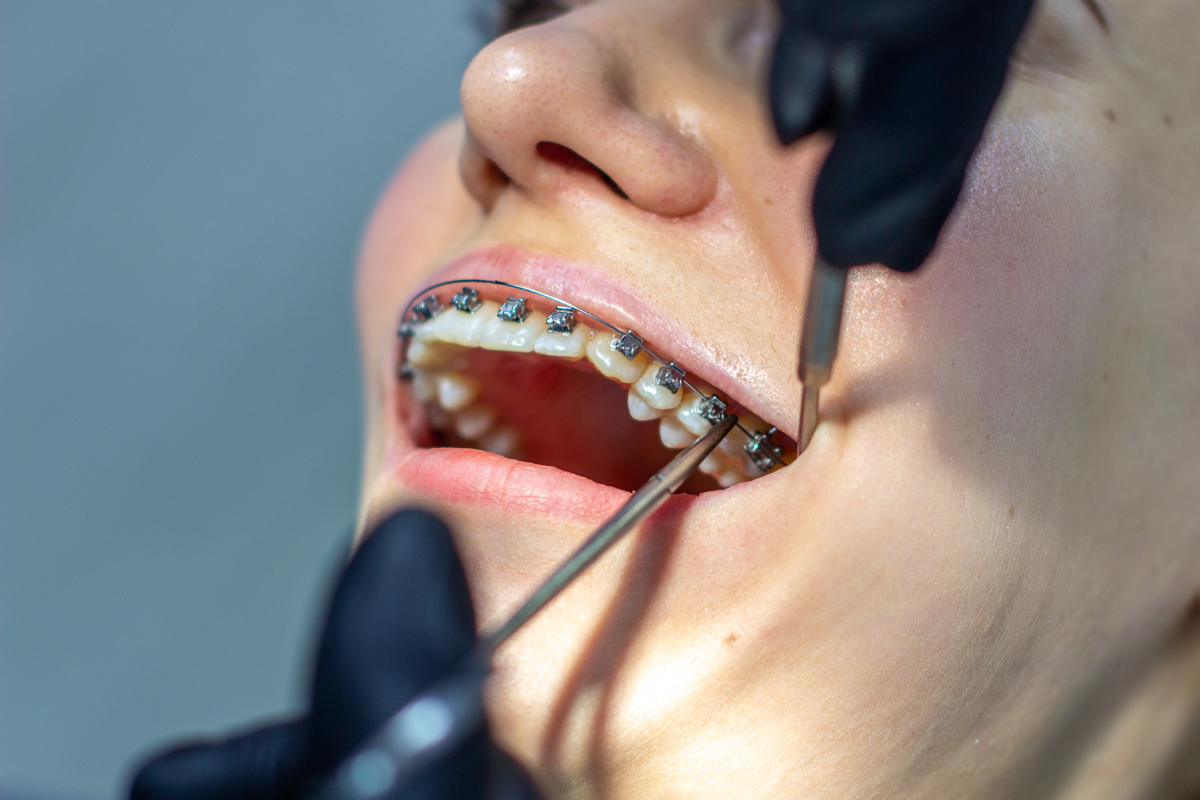
You just left the office. Your mouth feels tight. Your lips keep brushing against metal that wasn’t there yesterday. And somewhere in the back of your mind, a question is forming: Did I make the right choice?
If you or your child just started braces in Pearl, that feeling is normal. The first few weeks are the hardest part of the entire journey — but they don’t have to be miserable. With the right habits, most people adjust faster than they expect.
This guide walks you through exactly what to expect, the mistakes to avoid, and how a trusted orthodontist in Pearl can make the transition smoother from day one.
The Problem: Nobody Prepares You for the First Two Weeks
Most people picture braces as a “put them on and forget about it” kind of treatment. The reality looks a little different.
In the first 14 days, it’s common to experience:
- Soreness when chewing
- Small cuts or irritation on the inside of the cheeks and lips
- Trouble pronouncing certain words
- Food getting stuck in new places.
- A strange, “too full” feeling in the mouth
None of this means something went wrong. It means your mouth is adjusting to new pressure and new hardware — and that takes time.
Why This Adjustment Period Actually Matters
Here’s the part most blogs skip: how you handle the first month can shape the entire treatment timeline.
Poor habits early on — like avoiding brushing because it hurts, or skipping soft foods and eating something too hard — can lead to bigger problems later, including:
- Broken brackets or wires
- Delayed tooth movement
- Increased visits just to fix avoidable damage
- A longer road to your finished smile
Getting comfortable early isn’t just about relieving discomfort. It’s about protecting your progress.
The Risks of “Toughing It Out” the Wrong Way
Some people try to push through discomfort without support, and that’s where small issues turn into bigger ones.
Common mistakes include:
- Ignoring a poking wire instead of covering it with orthodontic wax
- Eating hard, sticky, or crunchy foods too soon (think ice, popcorn, caramel)
- Skipping oral hygiene because brushing feels uncomfortable
- Waiting too long to reach out when something feels off
Left unaddressed, these habits can cause irritation, cavities around the brackets, or damage that pushes your treatment timeline back the opposite of what anyone wants.
The Professional Solution: Support That Actually Helps
The good news? Almost everything above is preventable with the right guidance.
A qualified orthodontic team can:
- Adjust wires or brackets that are causing irritation.
- Recommend the right wax, rinses, and tools for your specific setup.
- Catch small issues before they become painful ones.
- Walk you through a simple daily routine that protects your progress.
This is exactly why check-ins during the first month matter so much. Small adjustments made early can save weeks of discomfort later.
Local Care You Can Trust in Pearl
Families across Pearl and the surrounding communities trust Brister Orthodontics for orthodontic support that feels personal, not rushed.
Whether it’s your child’s first set of braces or your own adult orthodontic journey, having a local orthodontist in Pearl means:
- Faster access if something feels wrong
- A team that already knows your treatment history
- Real relationships, not a revolving door of new faces every visit
Patients throughout the Pearl area appreciate having a practice nearby that treats every appointment like it matters because it does.
Ready for a Smoother, More Comfortable Experience?
You don’t have to figure this out alone.
If you’re adjusting to new braces — or thinking about starting treatment — the team at Brister Orthodontics is here to make the process as easy as possible.
Book your visit today and let’s make sure your first month (and every month after) feels manageable, supported, and on track.
Frequently Asked Questions
1. How long does it take to get used to braces?
Most people start feeling more comfortable within 1 to 2 weeks. Full adjustment, including speech and eating, usually happens by the one-month mark.
2. What foods should I avoid right after getting braces?
Stick to soft foods like mashed potatoes, yogurt, pasta, and scrambled eggs for the first few days. Avoid hard, sticky, or crunchy foods until soreness fades.
3. Why do my teeth hurt more on some days than others?
Soreness often increases after adjustment appointments, when wires are tightened to keep teeth moving. This usually settles within a couple of days.
4. Can I still talk normally with braces?
Speech may feel slightly different for the first week or two. Practicing reading out loud can help you adjust faster.
5. What do I do if a wire is poking my cheek?
Cover the area with orthodontic wax right away and reach out to your orthodontic office if the irritation continues.
6. How often should I brush with braces?
Brushing after every meal, along with daily flossing, helps prevent food buildup and keeps your treatment on schedule.
7. Is it normal for my lips to feel tight at first?
Yes. Lips and cheeks often feel tight for the first few days as they adjust to the extra space braces take up.
8. How can a local orthodontist help during the adjustment period?
A nearby orthodontic team can quickly address discomfort, fix minor issues, and guide you through daily care — without long waits for an appointment.
Final Thoughts
Adjusting to braces takes patience, but it gets easier every single day. With the right habits and the right support system, most patients look back and realize the hardest part was simply getting started.
If you’re in Pearl and want a team that will guide you through every step — from your first adjustment to your final reveal — Brister Orthodontics is ready to help.
Medical Disclaimer: This blog is for general informational purposes only and is not a substitute for professional dental or orthodontic advice. Every patient’s treatment plan is different. Please consult a licensed orthodontist or dentist for guidance specific to your individual needs.