
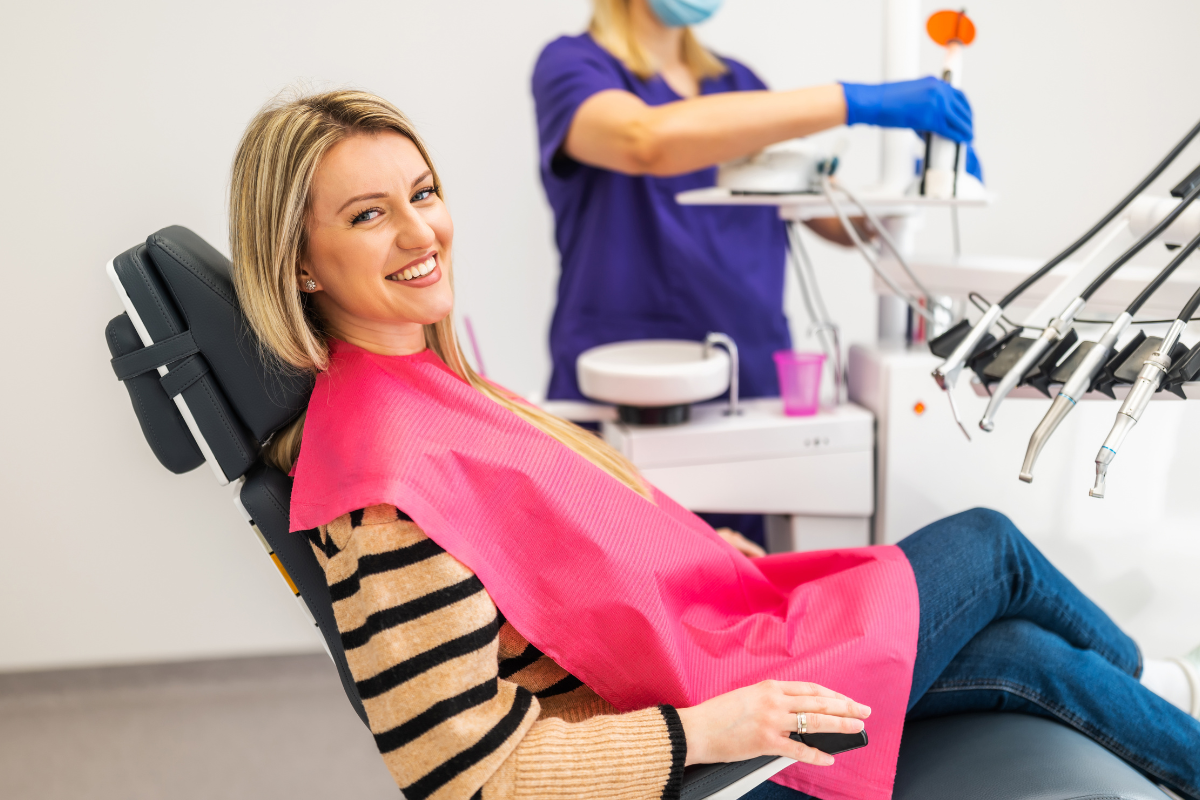
Do you avoid smiling in photos because you’re unhappy with your teeth? Have you noticed your child struggling with crowded teeth, bite problems, or difficulty cleaning between certain teeth?
Many people assume orthodontic treatment is only about achieving a straighter smile. In reality, orthodontic issues can affect oral health, comfort, confidence, and even daily function. The challenge is that many of the warning signs develop gradually, making them easy to overlook.
If you’re wondering whether it’s time to visit an orthodontist Pearl MI families trust, understanding the common signs of orthodontic concerns can help you take action before small problems become larger ones.
At Brister Orthodontics, we help patients of all ages identify alignment and bite concerns early, creating personalized treatment plans designed to support healthy, confident smiles.
Why Orthodontic Problems Should Never Be Ignored
Teeth and jaws work together as a system.
When teeth are not properly aligned, or when the bite does not function correctly, the effects can extend beyond appearance.
Orthodontic concerns may contribute to:
- Difficulty cleaning teeth
- Increased plaque buildup
- Uneven tooth wear
- Jaw discomfort
- Chewing challenges
- Speech concerns
- Reduced self-confidence
Early evaluation allows these issues to be identified and addressed before they become more complex.
Why Early Detection Matters
Many orthodontic problems become easier to manage when recognized early.
Whether the patient is a child, teenager, or adult, timely treatment can help:
- Improve smile aesthetics
- Support healthier teeth and gums
- Enhance bite function
- Reduce future complications
- Improve long-term oral health
Knowing what signs to watch for is the first step.
1. Crowded or Overlapping Teeth
Crowding is one of the most common reasons patients seek orthodontic care.
When there isn’t enough room in the mouth for teeth to align properly, they may overlap, twist, or become difficult to clean.
Why It Matters
Crowded teeth can trap plaque and food particles in hard-to-reach areas, increasing the risk of:
- Tooth decay
- Gum inflammation
- Bad breath
- Staining
Orthodontic treatment can help create proper spacing and improve oral hygiene access.
2. Gaps Between Teeth
While some spacing is minor, larger gaps may affect both appearance and function.
Spaces can occur because of:
- Missing teeth
- Jaw size differences
- Natural tooth positioning
- Developmental factors
Potential Concerns
Untreated spacing issues may contribute to bite imbalances and affect smile symmetry.
3. Difficulty Biting or Chewing Food
Eating should feel comfortable.
If you frequently struggle to bite into foods or notice that chewing feels uneven, your bite may not be functioning properly.
Common bite concerns include:
- Overbite
- Underbite
- Crossbite
- Open bite
These conditions can place excessive pressure on certain teeth and lead to long-term wear.
4. Frequent Jaw Pain or Clicking
Jaw discomfort isn’t always caused by orthodontic problems, but tooth alignment and bite relationships can contribute.
Symptoms may include:
- Jaw soreness
- Clicking sounds
- Facial tension
- Difficulty opening the mouth fully
When bite issues are involved, orthodontic evaluation may help identify contributing factors.
5. Teeth That Shifted After Previous Orthodontic Treatment
Many adults who had braces during childhood are surprised to discover their teeth have moved over time.
This shifting can occur due to:
- Natural aging
- Retainer non-compliance
- Changes in oral structures
Even minor movement can affect smile appearance and bite function.
Modern orthodontic solutions may help address relapse and restore alignment.
6. Excessive Tooth Wear
Teeth should make contact evenly when biting and chewing.
When alignment problems exist, certain teeth may experience more pressure than others.
Signs of excessive wear may include:
- Flattened tooth edges
- Chipped teeth
- Uneven enamel wear
- Increased sensitivity
Addressing the underlying bite issue can help reduce ongoing stress on the teeth.
7. Feeling Self-Conscious About Your Smile
Orthodontic treatment is often motivated by confidence concerns.
If you:
- Hide your smile in photos
- Cover your mouth when laughing
- Avoid social situations
- Feel unhappy with tooth alignment
An orthodontic consultation may help you understand available treatment options.
Confidence is not simply a cosmetic concern. Feeling good about your smile can positively impact both personal and professional interactions.
How an Orthodontist Pearl MI Patients Trust Can Help
Orthodontic treatment today offers more options than many people realize.
Following a comprehensive evaluation, treatment recommendations may include:
- Clear Aligners – A discreet option that gradually moves teeth using removable aligners.
- Traditional Braces – A reliable solution for a wide range of orthodontic concerns.
- Bite Correction – Treatment designed to improve the relationship between the upper and lower teeth.
- Retention Solutions – Retainers help maintain results after active treatment is complete. Every treatment plan is customized based on the patient’s goals, oral health, and alignment needs.
The Benefits of Orthodontic Treatment Beyond Appearance
While many people seek treatment to improve their smile, the benefits often go much further.
Orthodontic care may help:
- Improve oral hygiene
- Support healthier gums
- Reduce abnormal tooth wear
- Improve chewing efficiency
- Enhance speech in certain cases
- Promote long-term oral health
A properly aligned smile often contributes to both function and confidence.
Why Professional Evaluation Matters
Not all alignment concerns are obvious.
Some bite problems develop gradually and may not cause symptoms until they become more advanced.
A professional evaluation allows your orthodontic team to assess:
- Tooth positioning
- Jaw alignment
- Bite function
- Oral health status
- Treatment opportunities
At Brister Orthodontics, we take a personalized approach to orthodontic care, helping patients understand their options and make informed decisions about treatment.
If you’re searching for a pearl orthodontist, an early consultation can provide valuable insight into your smile’s current condition and future needs.
Don’t Wait for Orthodontic Problems to Get Worse
Many orthodontic concerns become more noticeable—and sometimes more complicated—the longer they are left untreated.
If you’ve noticed crowding, spacing, bite issues, jaw discomfort, or changes in your smile, now may be the right time to seek professional guidance.
Schedule a consultation today to meet with an orthodontist in Pearl and learn how personalized treatment can help improve your smile, oral health, and confidence for years to come.
A Healthier Smile Starts With Early Action
Orthodontic concerns often begin gradually, but addressing them early can help improve both oral health and confidence. Whether you’re experiencing crowded teeth, bite problems, shifting teeth, or simply want to explore your options, a professional evaluation can provide the answers you need.
At Brister Orthodontics, we’re committed to helping patients achieve healthier, more balanced smiles through personalized orthodontic care. Taking the first step today may help prevent larger concerns tomorrow.
Frequently Asked Questions
How do I know if I need orthodontic treatment?
Common signs include crowded teeth, gaps, bite issues, jaw discomfort, excessive tooth wear, and concerns about smile appearance.
Is orthodontic treatment only for children and teenagers?
No. Many adults seek orthodontic treatment to improve alignment, correct bite issues, or address shifting that occurred after previous treatment.
Can crooked teeth affect oral health?
Yes. Misaligned teeth can make cleaning more difficult and may increase the risk of plaque buildup, cavities, and gum concerns.
What is the most common reason people visit an orthodontist?
Crowded teeth, spacing concerns, and bite problems are among the most common reasons patients seek orthodontic care.
Can orthodontic treatment help with jaw discomfort?
In some cases, bite alignment may contribute to jaw strain. An orthodontic evaluation can determine whether alignment is a contributing factor.
Are clear aligners effective for adults?
Many adults are candidates for clear aligner treatment depending on their orthodontic needs and treatment goals.
What happens during an orthodontic consultation?
The orthodontist evaluates tooth alignment, bite function, oral health, and treatment options while discussing personalized recommendations.
How long does orthodontic treatment usually take?
Treatment time varies depending on the complexity of the case and the chosen treatment approach.
Medical Disclaimer: This article is intended for educational purposes only and should not be considered medical, dental, or orthodontic advice. Treatment recommendations vary by patient. Always consult a licensed orthodontic professional for diagnosis and personalized treatment planning.